
Coconut Cake with No Eggs, Tree Nuts, or Soy
Coconut Cake with No Eggs, Tree Nuts, or Soy
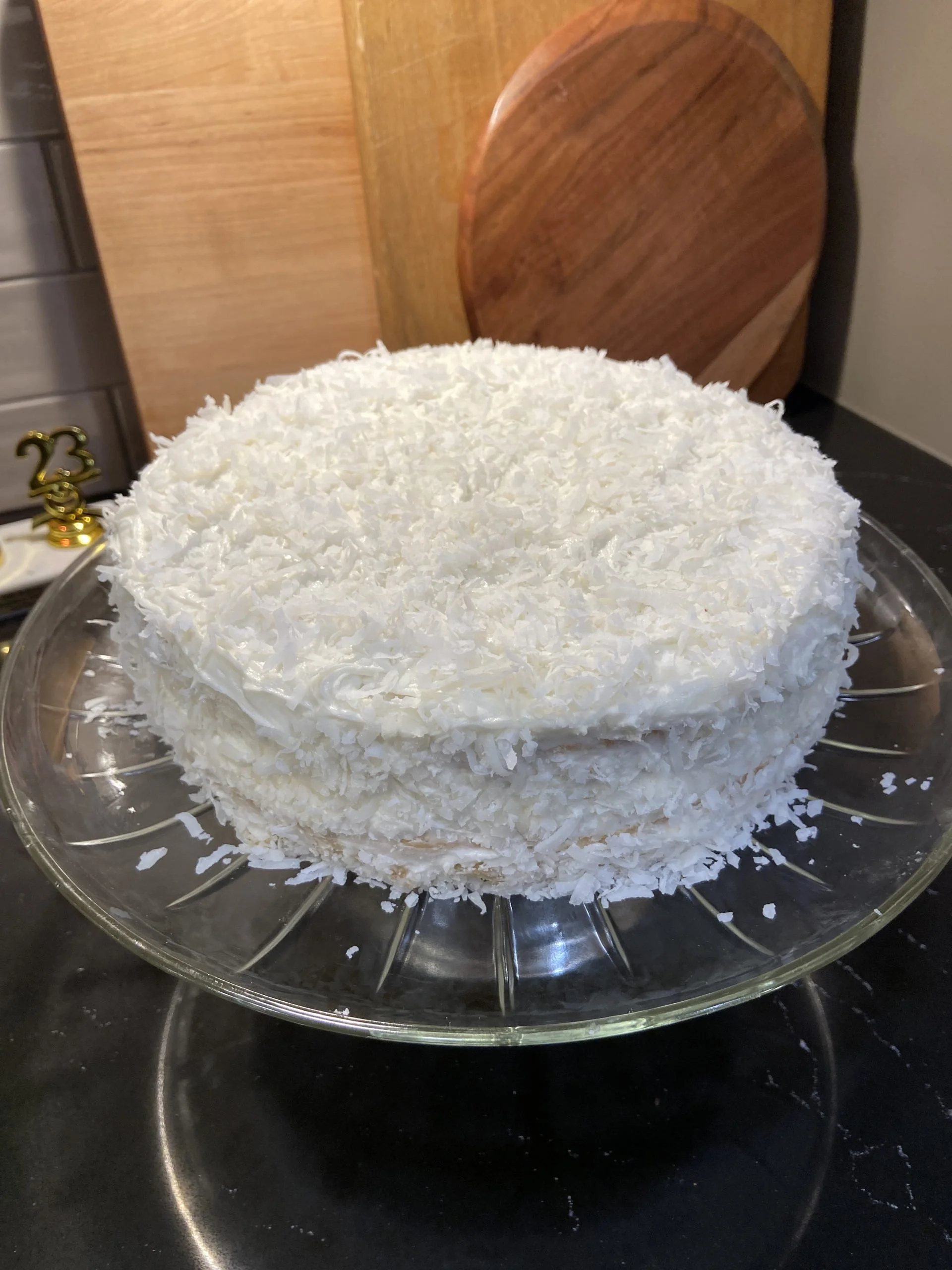
Coconut cake is such a beautiful, easy, showstopper dessert and perfect for presenting to your family and guests at Easter. But if a loved one has food allergies, it can be really difficult to find a delicious dessert recipe that is free from allergens.
That was the case with my sweet, great nephew Ben. He has had food allergies since he was a tiny baby. Eggs, tree nuts, soy, peanuts, and peas are all reaction-producing allergens for him (and many others). His mom, my niece, does an amazing job of keeping his food free of these ingredients. She has an excellent approach to his needs that never leaves him feeling as though he is being deprived of something. She is an outstanding advocate for his health and reads labels like a scientist. She knows all the scientific names for ingredients so she can keep him safe. She has taught me so much more about reading labels, when I already thought I was pretty good at it.
When Ben and his twin, big sisters come to visit, I love to make them foods that are "Ben friendly." I enjoy the challenge of creating food to accommodate his health that is still delicious and will not make Benny feel like he is missing out. Some people who are allergic to tree nuts cannot have coconut, but Ben has no adverse reactions to it.
There are many ways to replace egg in baked goods. Flax seed, applesauce, aquafaba, soy lecithin powder, and egg replacement are all methods used to mimic the egg's role in baking. But for this recipe, and many others I have made for Ben, I went with a simpler method: baking powder and apple cider vinegar. The chemical reaction of these two ingredients can boost the rise in your baked goods in a way similar to eggs. I also prefer the slight tang of the apple cider vinegar. But don't worry, your cake will not taste like vinegar! This recipe will not produce a high-domed cake, but rather flat, even layers, which are perfect for frosting.
Let's talk about soy for a moment. It is in far too many common things we use and take for granted, like cooking spray. Read the labels! If you are cooking and baking for someone with allergies (and sometimes when cooking or baking for a crowd, we don't know who may be adversely affected) then label reading is essential! A better alternative is an olive oil spray with ONLY olive oil in it. For Benny's cake, I brushed the pans with pure avocado oil. Simply drizzle in a small amount and swirl around with a pastry brush.
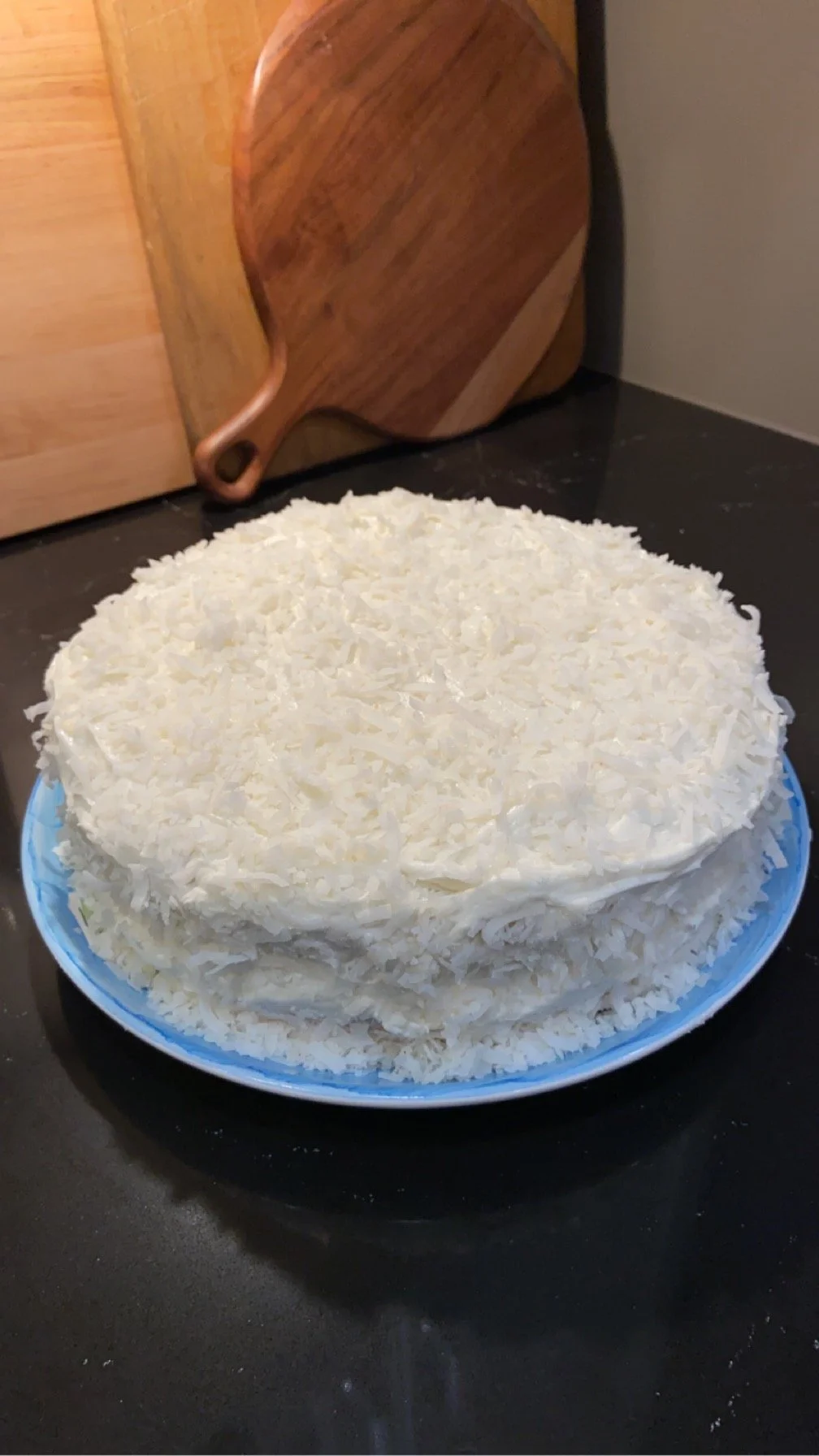
Since this is a coconut cake, I wanted to amp up the coconut flavor. At the same time, I find it frustrating when a recipe calls for a canned ingredient, but doesn't use the whole can. UGH! So this cake gets tremendous moisture from unsweetened canned coconut milk. It comes in 14 ounce cans. Twelve ounces (1.5 cups) goes into the cake batter. The remaining two ounces (1/4 cup) gets blended into the frosting. I also added coconut extract and sweetened, flaked coconut to the batter. The result is a moist, flavorful cake that is so tender and delicious and with a subtle, but distinct coconut flavor. You will love this cake! You don't need to have allergies to love this one! Give the recipe a try and let me know what you think of Coconut Cake with no eggs, tree nuts, or soy. Send me photo once you make it. Enjoy!
Coconut Cake - Egg & Nut free
Moist, tender coconut cake without eggs or tree nuts is perfect for Easter
2¼ cups all purpose flour
¼ cup cornstarch
2 teaspoons baking powder
½ teaspoon salt
1½ cups sugar
½ cup butter, melted (one stick of butter)
¼ cup avocado or light olive oil, plus more for greasing pans (or other light oil)
1 can unsweetened coconut milk (14 ounces) ((1½ cups for cake, ¼ cup for frosting))
2 teaspoons vanilla extract
1 teaspoon coconut extract
2 teaspoons apple cider vinegar
½ cup sweetened, flaked coconut
Coconut Buttercream Frosting
½ cup butter, softened ((one stick))
2½ cups powdered sugar
1 teaspoon vanilla extract
½ teaspoon coconut extract
pinch salt
¼ cup unsweetened coconut milk ((the 2 oz. leftover from the 14 oz. can))
1 cup sweetened, flaked coconut
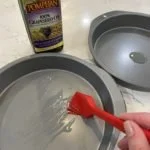
Heat oven to 350 degrees. Prepare two 8" cake pans by brushing lightly with oil. Then line bottom of each pan with parchment circle.
Brush parchment circles lightly with oil. Set aside.
Open can of unsweetened coconut milk. It will look like photos below, solid on the top and liquid near the bottom of the can.
Remove solids and liquid from can and add to a two cup, microwave safe measuring cup. Heat in microwave for about 22 seconds to liquify. Whisk to blend to make sure it is smooth, but not hot. Set aside.
Add flour, cornstarch, baking powder, salt, and sugar to large bowl. Whisk together to blend.
Use a microwave safe, one cup liquid measuring cup to melt butter.
Add ¼ cup grapeseed or light olive oil (or other oil) to the butter to reach ¾ cup total.
Add butter/oil mixture, 1½ cups unsweetened coconut milk, vanilla extract, coconut extract, and apple cider vinegar to the dry ingredients.
Use a wooden spoon to blend together just until no dry ingredients remain.
Fold in ½ cup coconut.
Spread evenly among the two prepared pans.
Bake for 25-30 minutes or until toothpick inserted in center comes out clean.
Cool in pans on wire racks about 10 minutes. Then gently use a thin knife or icing spatula to loosen the cake from the edge of the pans.
Remove from pans to wire racks to cool completely. Frost with Coconut Buttercream Frosting.
Coconut Buttercream Frosting
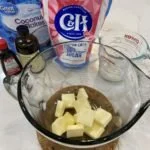
Add butter to medium mixing bowl. Beat on medium speed of electric mixer until smooth.
Add powdered sugar, extracts, salt, and unsweetened coconut milk to butter.
Beat until smooth.
To frost cake, add teaspoon of frosting to center of cake plate to hold cake in position. Put first layer over the teaspoon of frosting on the cake plate. Add about one fourth of the frosting to the center of the first layer. Spread to about half an inch from the edge of the cake.
If desired, place strips of waxed paper just under the edge of the cake to keep frosting neatly on the cake and not on the plate.
Add second layer to the top of the frosted layer. Add about half of the remaining frosting to the top, smoothing to the edges.
Frost sides with remaining frosting. Press coconut onto top and sides of frosting. Remove waxed paper strips. Serve and ENJOY!
TIPS
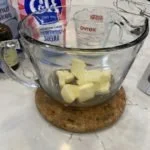
Place mixing bowls on cork trivet to keep in place when beating ingredients.
Butter softens more quickly when cut into smaller pieces.
Dessert
American
coconut cake, Easter dessert, egg free, moist, tender coconut cake, no soy, soy free, spring desserts, tree nut free